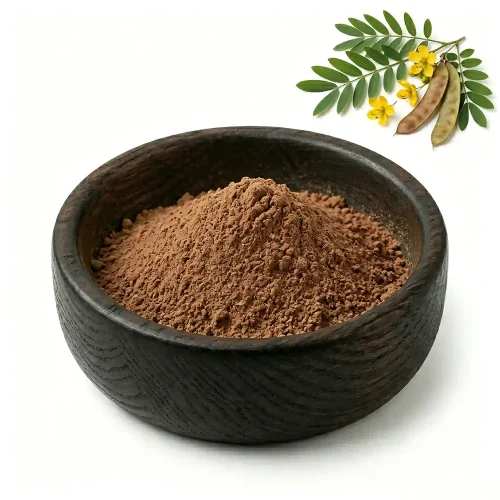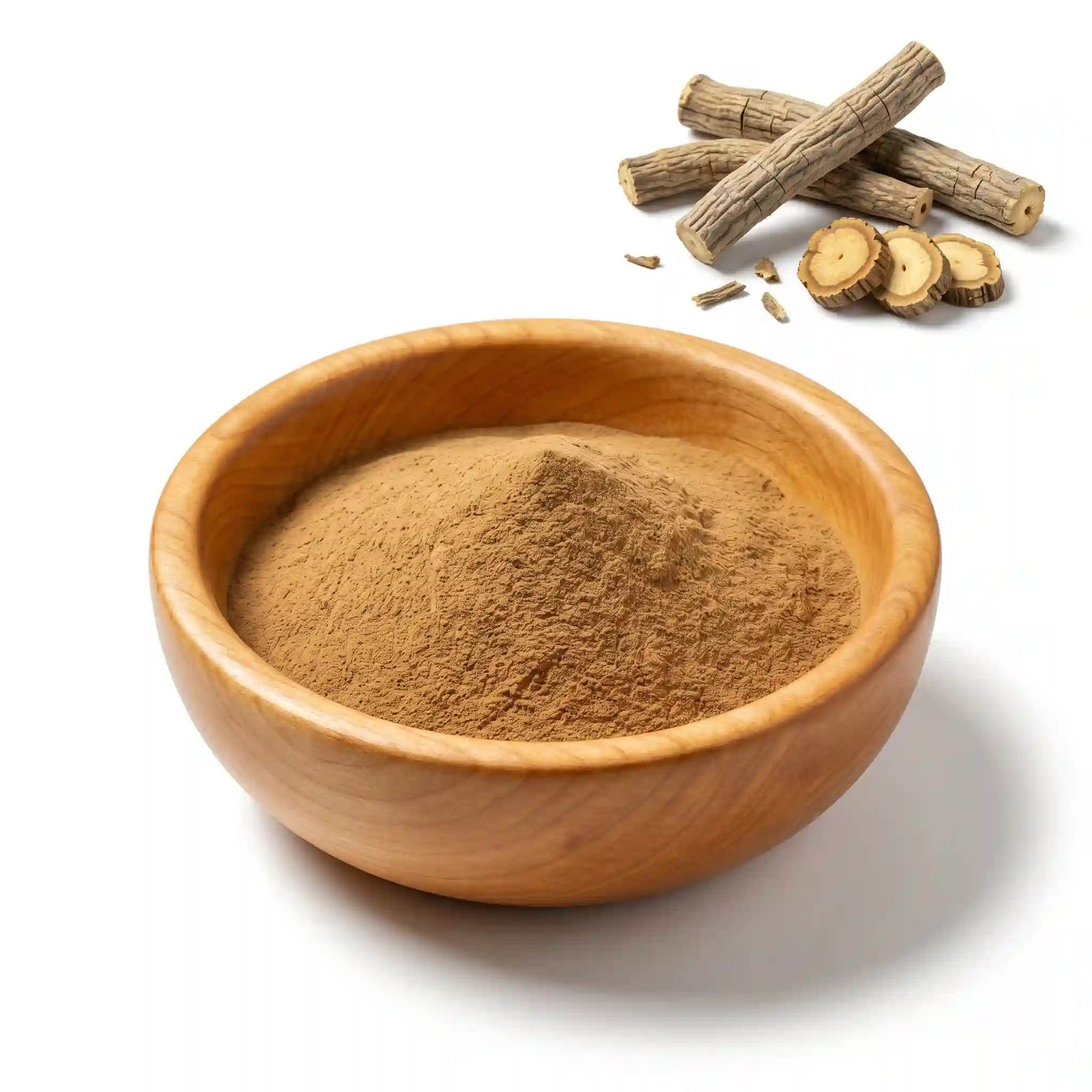
Bulk Polygala tenuifolia Extract Supplier — Yuan Zhi, Onjisaponins & Tenuifolin Standardized, B2B Wholesale
Valeherb supplies Polygala tenuifolia extract bulk wholesale — standardized Yuan Zhi (远志) root extract — across multiple potency grades, with onjisaponin, tenuifolin, and total saponin specifications available for cognitive supplement, nootropic stack, and TCM formula formulation. Derived from the dried root of Polygala tenuifolia Willd., this ingredient has over 2,000 years of documented use in traditional Chinese medicine for memory and mental clarity support, and an increasingly well-characterized modern evidence base for its multi-mechanism neuroprotective and cholinergic activity.
On this page: active compound profile, available grades, research background, formulation applications, sourcing criteria, and regulatory guidance.
Active Compounds: Three Compound Classes, Three Mechanisms
Polygala tenuifolia root contains three primary bioactive compound classes whose activities are complementary and partially independent — making whole-root standardised extract preferable to any single isolated compound:
| Compound Class | Key Compounds | Studied Activity |
|---|---|---|
| Triterpenoid Saponins (Onjisaponins) | Onjisaponins A, B, E, F, G (dominant); tenuigenin | Neuroprotection via NGF upregulation in astrocyte models; amyloid-beta (Aβ) aggregation inhibition; hippocampal neuron protection studied in preclinical research[1] |
| Xanthone Glycosides | Polygalaxanthone III; 1,3,7-trihydroxyxanthone | Antidepressant activity via monoamine neurotransmitter modulation studied in preclinical research; anxiolytic effects; HPA axis modulation |
| Oligosaccharide Esters (Tenuifolin / DISS) | 3,6′-disinapoyl sucrose (DISS/tenuifolin) — ChP 2020 marker | AChE inhibition (acetylcholine preservation); antioxidant activity; antidepressant-like activity via MAO inhibition and HPA axis modulation studied in animal models[2][4] |
Available Grades and Specifications
| Grade | Active Content | Typical Application |
|---|---|---|
| Standard Root Powder | Total saponins 5–10% | TCM-format supplements, herbal blends, traditional tonic formulas |
| Mid-Potency Extract (Saponin) | 20–30% total saponins by HPLC | Mainstream cognitive and memory support capsules; nootropic blends |
| ChP-Compliant Extract | Tenuifolin ≥2% by HPLC (ChP 2020 standard) | China domestic market; export formulations requiring ChP documentation; clinical-referenced cognitive supplements |
| High-Potency Extract | 40–50% total saponins by HPLC | Concentrated nootropic stacks; low-dose capsule applications; premium cognitive formulas |
Research Background
The activity described below is reported in published research. It is provided as scientific context for formulators, not as claims for any Valeherb product.
1. Memory and Cognitive Function
A randomised, double-blind, placebo-controlled trial by Shin et al. (2009) enrolled 53 healthy elderly subjects. Subjects receiving BT-11 — a standardized Polygala tenuifolia root extract — for 12 weeks showed improved scores on the CERAD cognitive assessment battery compared to placebo, including word list recognition, constructional recall, and modified Boston naming tests, with no significant adverse events reported.[3] This is among the published human trials for this ingredient and provides relevant clinical reference context for memory support positioning, noting that the study was limited in size (n=53) and study duration.
2. Neuroprotection: NGF Upregulation
Yabe et al. (2003) investigated the neuroprotective fractions of Ninjin-yoei-to — a 14-herb Kampo formula containing Polygala tenuifolia — in cultured rat astrocytes. Among the formula’s 14 component herbs, the roots of Polygala tenuifolia and Panax ginseng extracts most significantly increased NGF levels. Specifically, onjisaponins A, B, E, F, and G — the major saponins of P. tenuifolia root — strongly increased NGF production in the in vitro model, providing a mechanistic basis for the saponin fraction’s neuroprotective positioning.[1]
3. Antidepressant-Like Activity
Hu et al. (2011) investigated the effects of DISS (3,6′-disinapoyl sucrose) from Polygala tenuifolia roots in a chronic mild stress (CMS) rat model. DISS significantly inhibited MAO-A and MAO-B activity, reduced elevated cortisol levels (an HPA axis indicator), and increased antioxidant enzyme (SOD) activity — with the authors proposing these as possible mechanisms for the observed antidepressant-like behavioral effects in the animal model.[2]
Formulation Applications
- Nootropic and cognitive supplement capsules: 20–40% saponin extract or ChP tenuifolin-standardised grade at 200–500 mg per serving. Pairs with lion’s mane extract (NGF/BDNF support), Bacopa monnieri (cholinergic support), and phosphatidylserine for comprehensive multi-mechanism cognitive stacks
- Memory support for aging populations: Clinically referenced positioning with the Shin et al. 2009 RCT as primary substantiation — one of the few botanical nootropics with a published double-blind RCT in healthy older adults
- Mood and cognitive dual-function formulas: Xanthone and oligosaccharide ester fractions support anxiety and mood positioning alongside cognitive claims — a commercially viable dual positioning increasingly common in premium brain health supplements
- TCM-format practitioner supplements: Standard root powder or ChP-compliant extract in Yuan Zhi tonic formulas; ChP 2020 compliance documentation available
Sourcing Criteria
| Criterion | What to Require |
|---|---|
| Standardisation Marker | Specify tenuifolin (for ChP 2020 compliance) or total saponins (for general nootropic applications). These are different compound classes — confirm which is being quantified on the COA |
| HPLC Method | HPLC-verified active content per batch. Colorimetric total saponin methods are less specific — request HPLC method confirmation for premium applications |
| ChP 2020 Compliance | Radix Polygalae (远志) has a standardised ChP 2020 monograph using tenuifolin as quantitative marker. Required for China domestic market; preferred for export documentation |
| Third-Party COA | Active compound content (HPLC), heavy metals (USP <232>), pesticide residues, microbial limits (USP <2021>), moisture — per production batch from accredited laboratory |
| Certifications | Non-GMO, Kosher/Halal for relevant markets; FDA-registered facility for US supplement supply chains |
Regulatory Guidance
- US (DSHEA): Memory support, cognitive function, and mood support structure/function claims are supportable with published clinical and mechanistic data — each must be self-substantiated by the marketer and carry the required FDA disclaimer. Alzheimer’s disease treatment claims are prohibited without NDA
- China (ChP 2020): Radix Polygalae (远志) is a listed medicinal herb with standardised monograph — tenuifolin as quantitative marker. Required for domestic China market
- EU: Not on EU authorized health claims register. Traditional use status may apply in some member states — confirm with regulatory counsel
- Canada (NHPs): Yuan Zhi (Polygala root) has a licensed Health Canada monograph supporting cognitive function claims