Bulk Cuscuta chinensis Extract Supplier — Tu Si Zi (菟丝子), 4:1 / 10:1 / 20:1 Ratio Extracts, B2B Wholesale
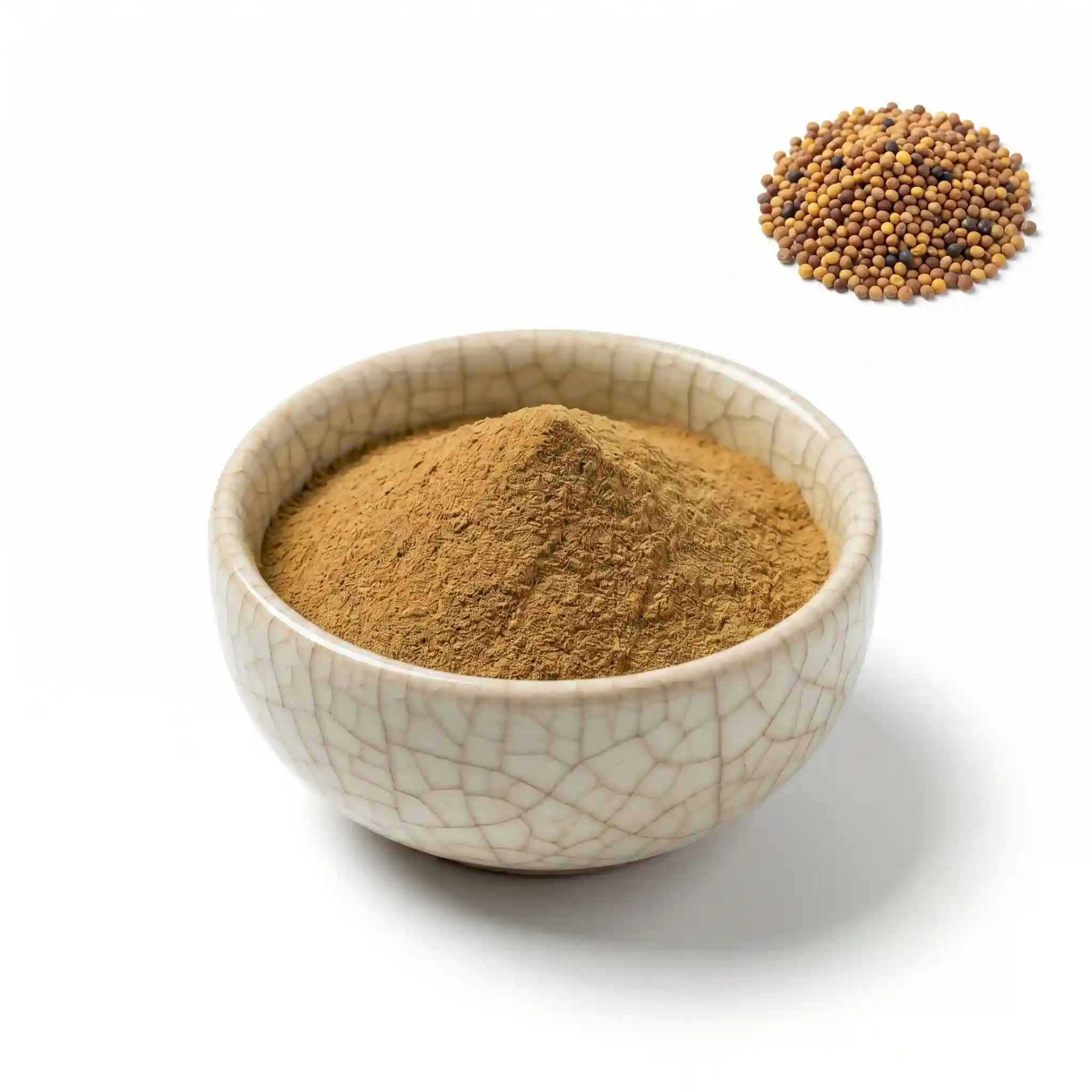
Valeherb supplies Cuscuta chinensis extract bulk wholesale — Tu Si Zi (菟丝子) seed extract — in 4:1, 10:1, and 20:1 concentration ratios, with custom specifications available for bone health, kidney-yang tonic, liver support, and adaptogenic supplement formulation. Derived from the dried ripe seeds of Cuscuta chinensis Lam. (Convolvulaceae), this extract is one of the most widely prescribed kidney-tonifying herbs in classical TCM, with documented use spanning over 2,000 years and a growing published pharmacological evidence base centred on its flavonoid fraction — principally quercetin, kaempferol, hyperoside, rutin, and isorhamnetin. The Chinese Pharmacopoeia (ChP 2020) recognises Cuscuta chinensis and Cuscuta australis as the official sources of Semen Cuscutae (菟丝子).
On this page: available grades and specifications, active compound profile, research background across three benefit areas, formulation applications, sourcing criteria, regulatory guidance, and references.
Available Grades and Specifications
All three ratio grades are supplied in aqueous or ethanol extraction format. Ratio extracts retain the full-spectrum flavonoid and lignan profile of the seed — aqueous extraction concentrates the polysaccharide and water-soluble flavonoid fractions; ethanol extraction concentrates the lipophilic flavonoids (kaempferol, isorhamnetin) at higher yield. Total flavonoid content is reported as-tested on each batch COA.
| Grade (Ratio) | Extraction Format | Concentration Profile | Typical Application |
|---|---|---|---|
| 4:1 | Aqueous / Ethanol | Full-spectrum — flavonoids + polysaccharides + lignans | Traditional TCM tonic supplements, herbal blends, entry-level kidney-yang formulas |
| 10:1 | Aqueous / Ethanol | Concentrated flavonoid and polysaccharide fractions | Mainstream bone-health capsules, kidney-tonic blends, men’s vitality formulas |
| 20:1 | Ethanol (preferred) | High active density per gram; concentrated kaempferol/isorhamnetin fraction | Premium bone-health and adaptogenic stacks; compact dosing formats |
Custom ratios and total flavonoid-standardized specifications produced on request. MOQ, lead time, and current pricing available on inquiry.
Active Compounds: The Flavonoid-Led Profile
The pharmacological activity of Cuscuta chinensis seed extract is attributed to its flavonoid fraction — one of the best-characterised compound classes in the TCM kidney-tonic category — alongside lignans and polysaccharides as secondary bioactive fractions.
| Compound | Class | Studied Activity |
|---|---|---|
| Quercetin | Flavonol — primary marker | Antioxidant via ROS scavenging; inflammatory-pathway modulation via NF-κB inhibition; osteogenic activity studied in published research[1] |
| Kaempferol | Flavonol | Osteoblast ALP activity and cell proliferation studied in in vitro osteoblast models; ERβ agonist activity relevant to bone remodelling research[2] |
| Hyperoside (Hyperin) | Flavonol glycoside | Antioxidant activity; studied alongside quercetin as a primary HPLC marker in glucocorticoid-induced bone model research[1] |
| Isorhamnetin | Flavonol | ERβ agonist activity; studied with kaempferol for osteogenic properties via estrogen receptor pathway[2] |
| Chlorogenic Acid | Hydroxycinnamic acid | Antioxidant; hepatoprotective activity; present in HPLC-characterised extract fractions[1],[3] |
| Polysaccharides | Complex carbohydrate fraction | Immunomodulatory; prebiotic activity; traditional kidney-tonifying use |
Research Background
The activity described below is reported in published research on Cuscuta chinensis seed extract and its constituent compounds. It is provided as scientific context for formulators, not as claims for any Valeherb product.
1. Bone Health — Glucocorticoid-Induced Osteoporosis Animal Model
Zhang et al. (2019, Brazilian Journal of Medical and Biological Research) investigated the effects of C. chinensis extract (CCE) in a dexamethasone-induced osteoporosis rat model. HPLC analysis confirmed chlorogenic acid, quercetin, and hyperin as the major constituents of CCE. CCE treatment increased bone mineral density, bone length, and bone weight, and suppressed dexamethasone-induced body weight loss. TRAP staining showed reduced osteoclast count in treated animals. Mechanistic analysis identified regulation of the RANKL/OPG and RunX2 signalling pathways as a proposed mechanism for the observed osteoblast-protective and anti-osteoclast effects.[1] These are preclinical rat model findings described here as research context.
2. Osteogenic Compounds — In Vitro Characterisation
Kim et al. (2011, Journal of Ethnopharmacology) conducted bioactivity-guided isolation of antiosteoporotic compounds from C. chinensis seeds, identifying five flavonoids: quercetin, kaempferol, isorhamnetin, hyperoside, and astragalin. In UMR-106 osteoblast-like cells, kaempferol and hyperoside significantly increased alkaline phosphatase (ALP) activity; astragalin promoted cell proliferation. Quercetin, kaempferol, and isorhamnetin demonstrated ERβ agonist activity, and quercetin and kaempferol additionally showed potent ERα/β-mediated AP-1 reporter activation — providing compound-level mechanistic evidence for the estrogenic receptor pathway activity studied in published in vitro research.[2]
3. Antioxidant and Neuroprotective Activity
Sayed et al. (2022, Nutrients) examined C. chinensis extract in aged Caenorhabditis elegans models. The extract improved short-term memory and mechanosensory response in aged animals, enhanced resistance to oxidative stress, and decreased intracellular reactive oxygen species levels. Chemical analysis identified chlorogenic acid, cinnamic acid, and quercetin as key bioactive constituents; a fraction enriched in zingibroside R1 improved lifespan, heat stress survival, and locomotion in a manner comparable to the full extract.[3]
4. Hepatoprotective Activity — Anti-Fibrotic Model
Kim JS et al. (2018, Pharmaceutical Biology) investigated C. chinensis extract (CCE) in thioacetamide-induced hepatic fibrosis rats and in activated hepatic stellate cell (HSC-T6) cultures. CCE treatment reduced fibrosis-related gene expression (α-SMA, Col1α1, TGF-β1), decreased serum liver-injury markers, and increased glutathione levels. In the cellular model, CCE induced HSC apoptosis in a dose-dependent manner. The results were compared against silymarin as a reference compound.[4] These are preclinical findings described here as research context.
Formulation Applications
- Bone health supplements: 10:1 or 20:1 ethanol extract at 300–600 mg per serving. Pairs with calcium, vitamin D3, and boron in comprehensive bone-mineral formulas; or with Eucommia leaf extract and Morinda officinalis in TCM-positioned kidney-yang bone support stacks
- Kidney-yang tonic and men’s vitality supplements: Standard 4:1 or 10:1 extract in classical TCM formulations for kidney-yang nourishment. Combines with Cistanche, Morinda officinalis, and Epimedium in men’s vitality blends — all kidney-yang tonifying herbs with complementary published pharmacological profiles
- Liver-support formulations: 10:1 extract alongside milk thistle (silymarin) and schisandra for multi-mechanism hepatoprotective positioning; the flavonoid fraction’s antioxidant activity complements silymarin’s membrane-stabilising mechanism
- Adaptogenic and antioxidant blends: Full-spectrum 4:1 extract in antioxidant capsules and healthy-aging formulas, positioned on the chlorogenic acid and quercetin antioxidant profile alongside green tea extract and grape seed extract
- TCM-format practitioner supplements: Any ratio grade in classical formula blends; ChP 2020 compliance documentation available
Sourcing Criteria
| Criterion | What to Require |
|---|---|
| Species Confirmation | Cuscuta chinensis Lam. or Cuscuta australis R.Br. (both accepted under ChP 2020 Semen Cuscutae monograph). Confirm species on COA — multiple Cuscuta species are commercially available with different compound profiles |
| Plant Part | Seed (Semen Cuscutae) only — the ChP-specified part and the bioactive-concentrated fraction. Stem or aerial part material has a different compound profile and is not equivalent |
| Ratio & Extraction Format | Confirm stated ratio (4:1 / 10:1 / 20:1) against raw-to-finished input; specify aqueous or ethanol as appropriate for target compound fraction |
| Flavonoid Content | Total flavonoid content reported as-tested per batch by UV-colorimetric or HPLC; for premium bone-health or antioxidant positioning request HPLC quantification of individual markers (quercetin, kaempferol, hyperoside) |
| Third-Party COA | Total flavonoid content, heavy metals (USP <232>), pesticide residues (multi-residue screen), microbial limits (USP <2021>), moisture — per production batch from accredited laboratory |
| Certifications | Non-GMO, Kosher/Halal for relevant markets; FDA-registered facility for US supplement supply chains; ChP 2020 documentation for China domestic market |
Regulatory Guidance
- US (DSHEA): Bone health, antioxidant, and liver support structure/function claims are supportable with published research — each must be self-substantiated by the marketer and carry the required FDA disclaimer. Disease treatment claims require drug approval. FDA-registered facility (21 CFR Part 111)
- China (ChP 2020): Semen Cuscutae (菟丝子) is a listed medicinal herb in the Chinese Pharmacopoeia, with a standardized monograph. One of the most commonly prescribed kidney-tonic herbs in classical TCM practice. ChP compliance documentation available
- EU: Not currently on the EU authorized health claims register. Traditional use status may apply in some member states — confirm with regulatory counsel before finalizing EU-market product claims
- Canada (NHPs): Tu Si Zi (Cuscuta seed) is recognized in Traditional Chinese Medicine under Natural Health Products Regulations — confirm permitted claim language with a qualified Canadian regulatory consultant